
Mastering Architectural Photography: A Comprehensive Guide
Photographing buildings is an art that demands meticulous attention to detail, composition, and lighting to effectively capture their design and character. Whether you’re photographing modern skyscrapers, historical landmarks, or residential homes, this comprehensive guide will help you excel in architectural photography.
Understanding Architectural Elements
Study the Structure: Familiarize yourself with various architectural styles, details, and features of the building you’re photographing. Understanding these elements can help you capture the essence of the architecture.
Capture Character: Identify unique aspects such as symmetry, lines, textures, and materials that define the building’s identity. Look for features that set the building apart and highlight them in your photos.
Choosing the Right Location and Time
Ideal Locations: Select vantage points that offer clear views and interesting perspectives of the building. Experiment with different angles and distances to find the most compelling composition.
Lighting Considerations: Shoot during the golden hours (early morning or late afternoon) when the light is soft and warm, enhancing details and textures. Overcast days can also be beneficial as they provide even lighting without harsh shadows.
Essential Equipment
Camera Gear: Use a DSLR or mirrorless camera with a wide-angle lens (typically 16-35mm) to capture expansive views. A tilt-shift lens can be invaluable for correcting perspective distortion and maintaining straight lines.
Tripod: A tripod is essential for stabilizing your camera, ensuring sharp images, especially in low-light conditions or when using long exposures.
Setting Up Your Shot
Composition Basics: Employ the rule of thirds and leading lines to create balanced and engaging compositions. Experiment with both vertical and horizontal orientations to highlight the building’s height or width.
Perspective Control: Correct vertical lines and perspective distortion using tilt-shift lenses or post-processing techniques to maintain straight lines and avoid the appearance of leaning buildings.

Focus on Details and Patterns
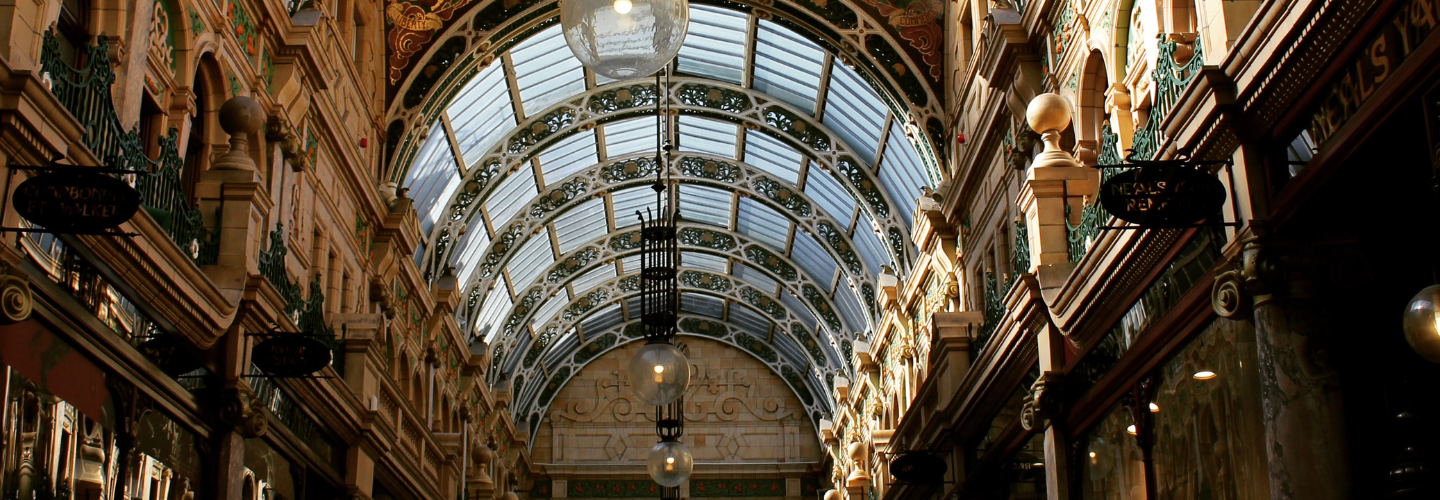
Architectural Details: Capture close-ups of intricate details, ornaments, windows, and facades that showcase craftsmanship and design. These elements often tell a deeper story about the building.
Patterns and Textures: Highlight the textures of building materials such as stone, glass, or metal to add depth and visual interest to your photographs.
Light and Shadow Play
Natural Light: Utilize natural light to emphasize architectural features and create depth. Position yourself to capture shadows that define shapes and contours.
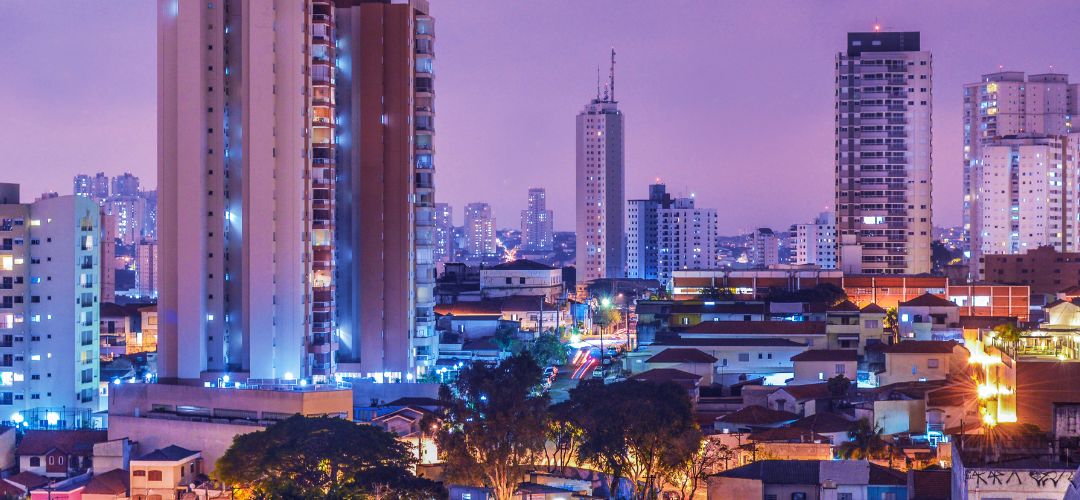
Artificial Light: Experiment with long exposures during twilight to capture a blend of natural and artificial lighting, enhancing the building’s ambiance and mood.
Weather and Seasonal Considerations
Seasonal Variations: Photograph buildings during different seasons to capture variations in foliage, lighting conditions, and atmosphere. Each season can bring a new dimension to your shots.
Weather Effects: Rain, fog, or snow can add drama and mood to architectural shots, emphasizing textures and reflections. These conditions can transform a mundane scene into something extraordinary.
Post-Processing Techniques
Editing Software: Use software like Adobe Lightroom or Photoshop to fine-tune exposure, contrast, and color balance. Correct lens distortions and enhance details while maintaining a natural look.
HDR Photography: Blend multiple exposures (bracketing) to capture a wider dynamic range of light and detail, especially in high-contrast scenes.

Respect Legal and Safety Guidelines
Property Permissions: Obtain necessary permissions for photographing private properties or buildings with restricted access to avoid legal issues.
Safety Awareness: Be mindful of your surroundings and pedestrian traffic when setting up equipment or accessing elevated viewpoints to ensure your safety and that of others.
Showcase Your Work
Portfolio Curation: Curate a portfolio showcasing your best architectural photography to demonstrate your expertise and attract potential clients or exhibitions.
Online Presence: Share your work on photography platforms, social media, and architectural forums to build your reputation and network within the industry.
Mastering architectural photography requires patience, attention to detail, and a keen eye for composition and lighting. By applying these techniques and tips, you can capture compelling images that celebrate the beauty and design of buildings, from iconic landmarks to everyday structures.